
PvP
Anime Ability Arena PvP school — dash timing, blocking, combo routes, cooldown punishing and anti-teamer tactics to win more 1v1s in 18-player arena servers.
Introduction
Anime Ability Arena is a pure PvP game — there are no bosses, no dungeons, no co-op raids — so your entire progression runs through how well you fight other players. This PvP school distills the highest-performing community fight breakdowns into five trainable skills: movement first, one drilled combo on your main kit second, block and escape discipline third, cooldown punishing fourth, and anti-teamer positioning fifth. The consistent lesson from winning players is that movement beats damage in most fights: a well-timed dash deletes an entire combo, and a disciplined block turns an opponent's biggest move into your free punish window. Every lesson here applies regardless of which of the seventeen kits you main, and each one includes a concrete practice method you can run in public servers tonight. Master these fundamentals and even budget kits start winning fights they have no business winning.
The Five PvP Fundamentals
| Skill | Impact | Difficulty | Practice Method |
|---|---|---|---|
| Dash timing | Match-defining | Medium | Drash through predictable attack strings in casual lobbies |
| Combo routes | High | Medium | Drill one combo on your main until it lands without thinking |
| Block discipline | High | Low | Block the first hit of every exchange, punish the recovery |
| Cooldown punishing | Very high | High | Count enemy cooldowns and attack only inside the window |
| Anti-teamer play | Situational | High | Practise spacing and third-party timing in busy servers |
Fight Skills
Movement First
Dashing and repositioning win more fights than raw damage across every community breakdown. Good movement makes you uncomboable: a single well-read dash escapes a full string, resets the exchange, and hands the momentum to you against an opponent who committed everything.
One Combo, Drilled
Depth beats breadth in this game. Learn one reliable combo route on your main ability and drill the timing until it lands under pressure, because a combo you never drop is worth more than five routes you fumble in real fights.
Block and Escape Discipline
Block is the cheapest defensive tool in the arena and the most underused by new players. Blocking the first hit of an enemy string stops the combo before it starts, and escape tools — dashes above all — must be saved for emergencies rather than spent on positioning you can walk.
Punishing Cooldowns
Most abilities have a clear vulnerability window after their signature move. High-level players do not fight the biggest attack — they avoid it, count the recovery, and unload their own string while the opponent's best tool is down. This single habit wins the most lopsided matchups.
Handling Teamers
Eighteen-player servers mean teamers are a fact of arena life. The counter is spacing, third-party timing, and edge awareness: never let two opponents corner you against the map boundary, and let teaming groups fight others before cleaning up the exhausted winner.
Core Mechanics
Arena combat in Anime Ability Arena runs on four interacting systems: movement, blocking, combo strings, and cooldowns. Movement is king — dashing cancels positioning errors and dodges entire strings, which is why every community guide puts it first. Blocking is the counter-punch tool: a timely block stops an enemy string cold and creates the recovery window your combo needs. Combo strings convert a single opening into damage, but only the route you have drilled survives real pressure; improvised strings drop in live fights. Cooldowns are the invisible clock of every duel — after a kit's signature move, there is a stretch where the pilot has no answer, and that window is where fights are actually won. The 18-player server format adds a fifth, social layer: teaming, third-partying, and edge control. Players who internalize all five layers stop losing to 'better stats' and start losing only to better decisions.
Advantages
Pure PvP design makes improvement unusually rewarding in this game. Because every point of Yen flows from defeating players, the game's economy and its skill ceiling point in the same direction: getting better at fighting is literally getting richer. The fundamentals transfer completely — dash timing, block discipline, and cooldown counting work identically on every one of the seventeen kits, so practice invested here compounds across every future unlock instead of being tied to one character. Server sizes of eighteen create constant varied opposition without ranked anxiety; public lobbies are a free training ground where third-party fights teach awareness that 1v1 queue games never could. The skill expression is also highly visible — movement and punish timing win fights outright, so improvement shows up in your kill rate within days, not seasons. And because the community documents its best fight breakdowns, every lesson here is battle-tested rather than theoretical.
Challenges
The PvP experience has friction points worth naming. Teamers are the community's number-one complaint: coordinated groups in public servers can ruin otherwise fair fights, and while spacing and third-party timing mitigate them, nothing fully counters a committed group except leaving the server. There is no official ranked mode or matchmaking rating, so you will constantly mix with players far above and below your level, making progress feel inconsistent. The leaderboard economy also rewards aggression over caution — kills are the only income, so passive, technically sound play earns less than reckless kill-chasing, which can teach bad habits. Reported scripting and autofarm abuse appears in community videos, meaning some lobbies contain opponents playing with unfair tools. Finally, movement tech depends partly on platform: mobile and console players face steeper execution demands for the same dashes that PC players perform trivially.
Frequently Asked Questions
How do I win more 1v1 fights in the arena?+
What should I do against teamers?+
Does shift lock help in Anime Ability Arena?+
Quick Tips
Warm up before you grind. Spend five minutes in a quiet server landing your main combo on moving targets and practising dash escapes before queuing into busy lobbies. Cold hands drop combos, dropped combos lose exchanges, and lost exchanges cost you the Yen you logged in to farm. The warm-up pays for itself within the hour.
Narrate your opponent's cooldowns out loud in your head — "big move down, eight seconds" — and attack only inside that count. It feels silly for the first hour and transformative by the second, because it forces the punish-first decision pattern that every high-level community breakdown shows. If the narration slips during real fights, slow the drill down in casual lobbies until counting becomes automatic, because partial cooldown awareness is how punish windows get missed at the worst moments.
Review one lost fight per session honestly. Ask what you committed into and when the escape was still available. Most players discover they lose to the same two or three repeated mistakes, not to character power — and fixing a single habit recovers more wins per week than any Yen purchase ever will.
Featured
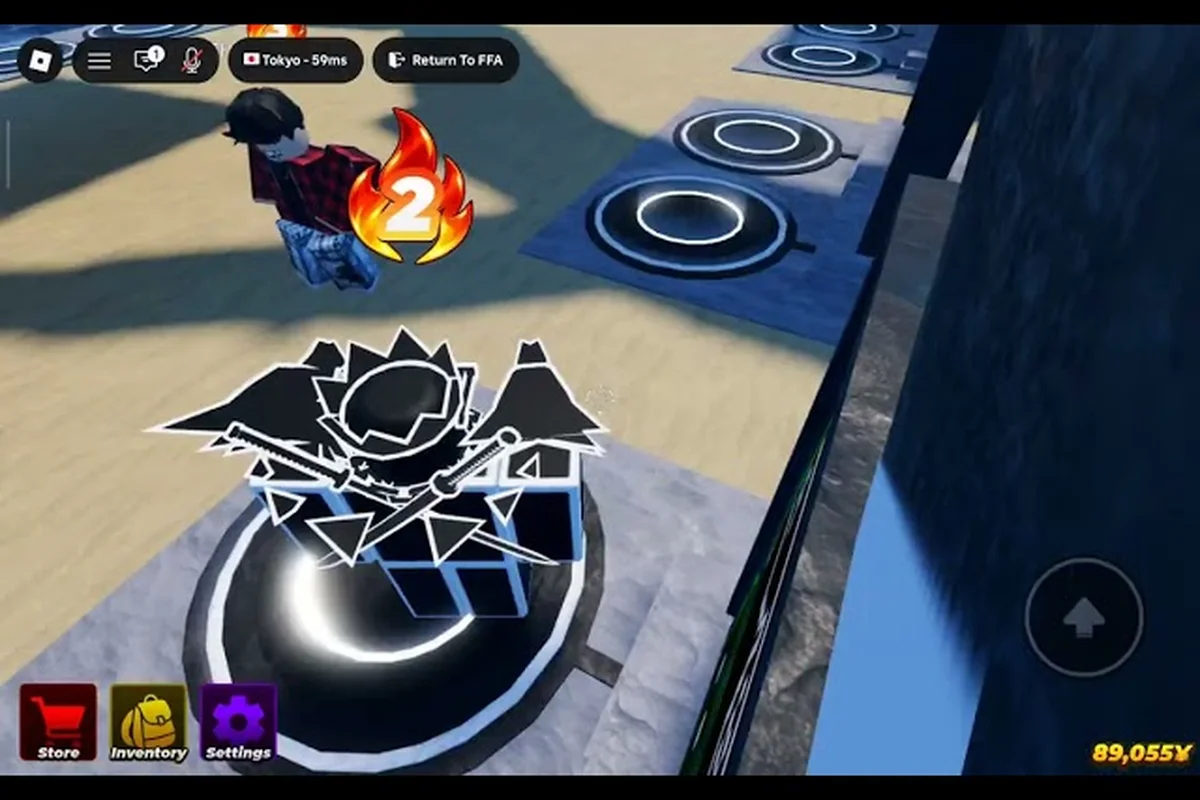
Anime Ability Arena PvP Strategy: Win 1v1 Duels Today
Master Anime Ability Arena PvP strategy with counter picks, dodge timing reads, anti-teamer plays, and callouts that flip losing lobbies into wins.
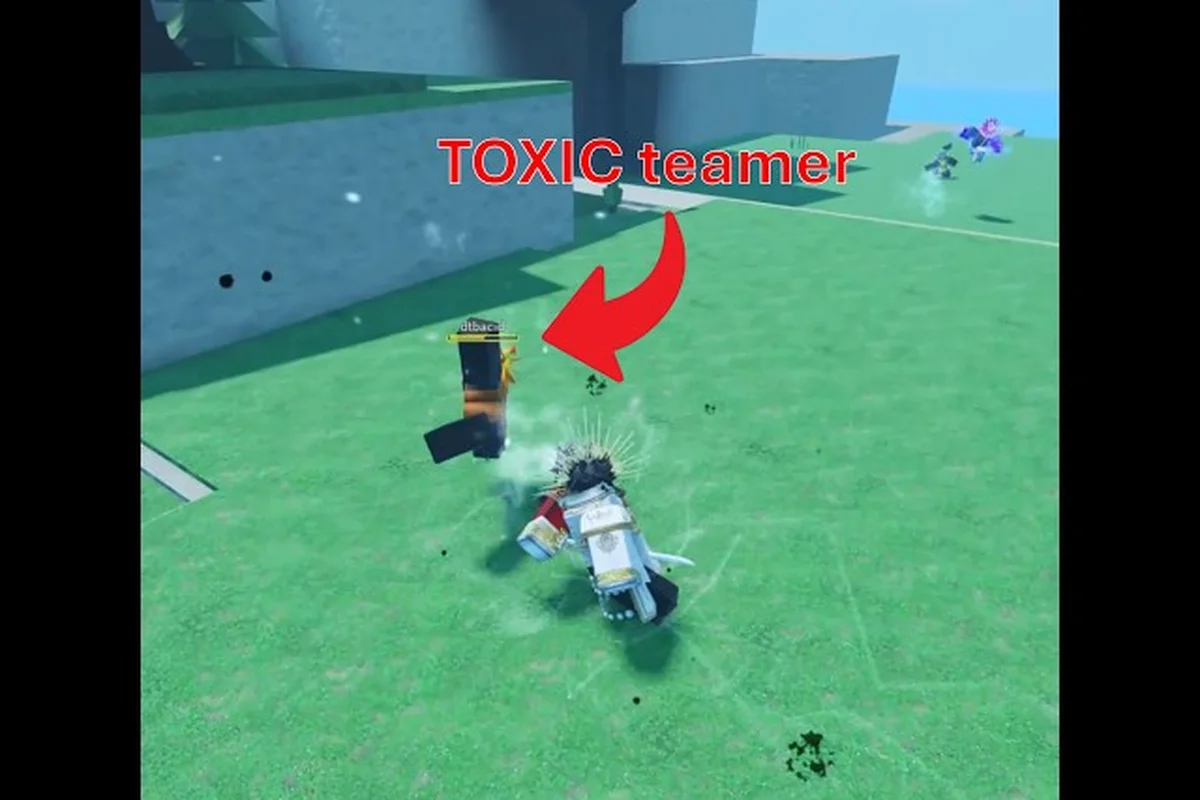
Anime Ability Arena How to Avoid Damage in Every Fight
Master Anime Ability Arena how to avoid damage with i-frame timing, parry reads, and positioning tips that keep your HP full through 1v1 and team fights.

Anime Ability Arena How to Combo: Cancel Windows Guide
Learn Anime Ability Arena how to combo with cancel windows, dash links, and block pressure routes that turn basic strings into kill confirms.
All Articles
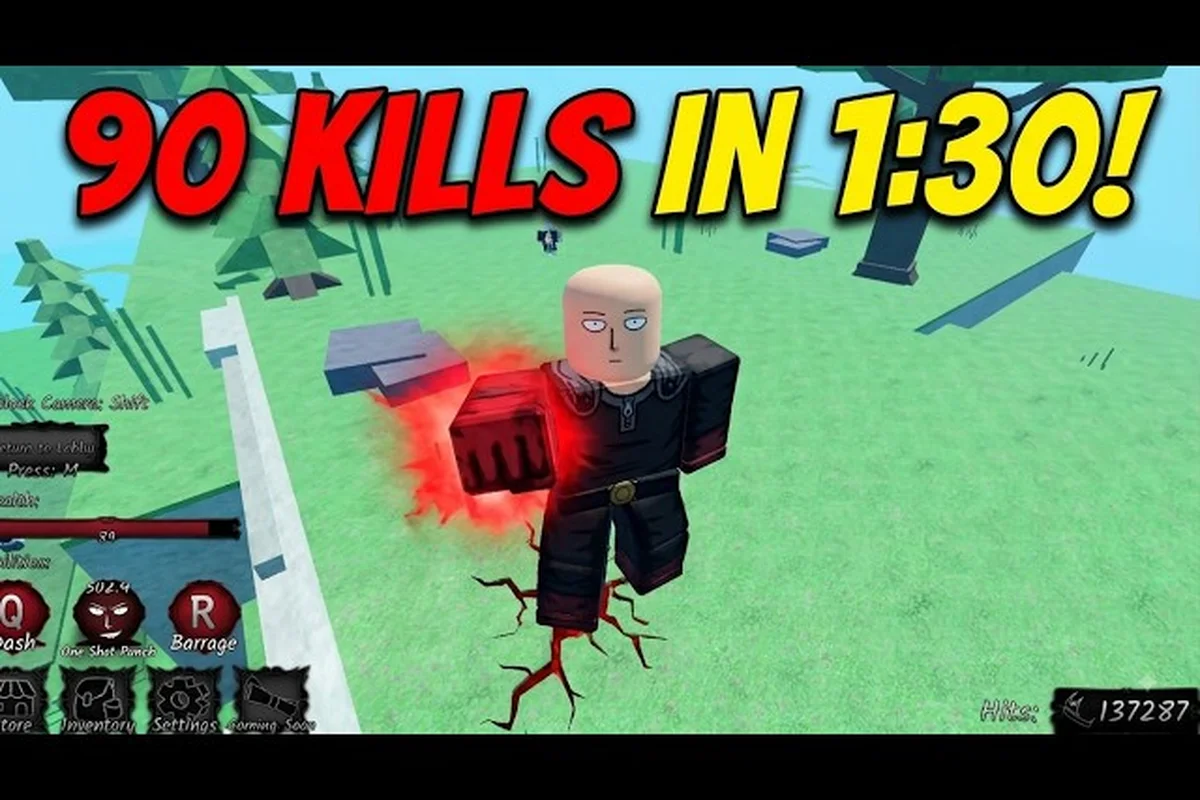
Anime Ability Arena How to Hit Combos: Link Strings
Learn Anime Ability Arena how to hit combos with dash cancel inputs, punish routes, and 1v2 survival strings that convert pressure into wins.
Anime Ability Arena How to Survive: Clutch 1v2 Defense
Stay alive with Anime Ability Arena how to survive tactics, covering i-frame timing, cooldown bait, anti-teamer plays, and clutch ranked saves.
Anime Ability Arena PvP Tips: Win More 1v1 and 2v2 Fights
Pull together Anime Ability Arena PvP tips covering spacing, cooldown bait, anti-teamer plays, and simple habits that flip close duels your way.