
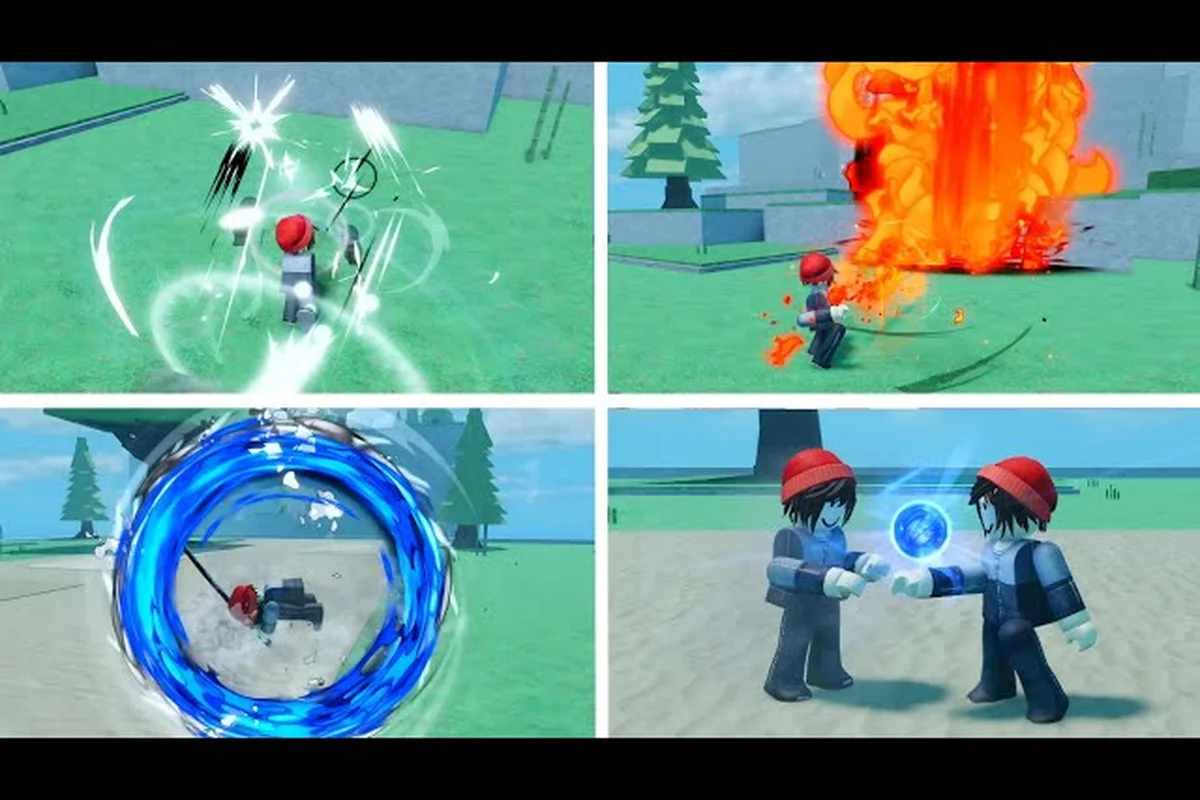
Ranged Abilities at a Glance in Anime Ability Arena
Picking the right ranged kit in Anime Ability Arena decides whether a solo queue match ends in a clean win or a panic respawn. With 17 playable characters and unique ability movesets across the roster, the anime ability arena ranged abilities pool spans beam casts, projectile volleys, tracking orbs, and hybrid kits that switch between poke and burst. Solo players who queue without a coordinated squad need the longest effective range, the cleanest hitbox, and the safest recovery frames, because one stray melee engage often ends the round.
Ranged kits live in a different lane than anime ability arena melee abilities, which win trades through close-range pressure, and anime ability arena aoe abilities, which dominate tight chokepoints. Ranged characters control sightlines, punish overextensions, and convert early Yen advantages into map denial, which is why most high-ranked solo players anchor their build around at least one ranged option. This guide breaks down every relevant angle: the categories, the metrics, the top picks, the matchup math, and the safe solo habits that turn a ranged kit into a win condition.
How Anime Ability Arena Ranged Abilities Work
Ranged abilities in Anime Ability Arena operate on three core rules: a defined Casting Distance, a Projectile Speed tier, and a Recovery Frame window after the cast finishes. Every ranged kit on the roster inherits those numbers from its moveset, which is why two characters that look similar on paper can feel completely different in a 1v1. Understanding the underlying numbers is the first step toward any anime ability arena ability ranking that actually reflects solo play.
Casting Distance Tiers
Casting Distance determines how far a kit can threaten before the opponent enters a melee punish window. Most ranged movesets sit in the Mid Range (25-40 studs) band, while a few elite kits stretch into Long Range (40+ studs) territory. Per community testing on the current patch, Gojo and Sukuna dominate the Long Range band, while Ultra Instinct and Maki play closer to the Mid Range ceiling. Short Range casts (under 25 studs) often belong to hybrid kits that alternate between a poke and a dash-in melee string.
Projectile Speed and Tracking
Projectile Speed falls into three buckets: Fast Linear (instant beam-style casts, hardest to sidestep), Tracking (curved or homing orbs that bend toward the target), and Slow Linear (dodgeable fireballs and charged blasts). Tracking kits are the safest for solo players because they punish opponents who try to sidestep behind cover. Fast Linear kits reward prediction and muscle memory. Slow Linear kits often rely on AoE splash to compensate, which blurs the line into the anime ability arena aoe abilities category.
Recovery Frame Discipline
Every cast leaves a Recovery Frame window where the player cannot block, dash, or counter. Low-recovery ranged kits let players poke and disengage without punishment, while high-recovery kits demand spacing discipline. Solo queue players who ignore Recovery Frame data tend to overcast and feed melee characters free combos. The safest ranged builds pair a low-recovery poke with one high-recovery nuke reserved for a guaranteed punish window.
| Ranged Archetype | Casting Distance | Projectile Speed | Recovery Frame | Solo Queue Safety |
|---|---|---|---|---|
| Beam Caster (Gojo, Sukuna) | Long (40+ studs) | Fast Linear | Low | Very High |
| Tracking Orb (Ultra Instinct) | Mid (30 studs) | Tracking | Medium | High |
| Projectile Volley (Zoro) | Mid (25-35 studs) | Fast Linear | Low | High |
| Hybrid Poke (Maki) | Short-Mid (20-30 studs) | Fast Linear | Very Low | Medium |
| Slow Charge (Yujin Itadora) | Long (45 studs) | Slow Linear | High | Low |
Anime Ability Arena Ranged vs Melee vs AoE Abilities
Ranged kits do not exist in a vacuum. The anime ability arena abilities ecosystem splits into three lanes, and the anime ability arena ability ranking conversation only makes sense once each lane is mapped. A solo queue player who queues with a ranged kit is making a strategic bet: they are choosing map control and safe poke pressure over burst combos or zone denial.
Ranged vs Melee Matchups
Melee characters win the game by closing distance, stacking combo strings, and forcing trades before ranged players can cast. According to community data from the Anime Ability Arena Roblox page, the server cap is 18 players, which means tight chokepoints get crowded fast. Ranged kits counter melee by holding the backline, kiting toward open ground, and using terrain to break line of sight. The matchup flips in favor of melee when the map funnels both players into a corridor with no kiting room.
Ranged vs AoE Matchups
AoE kits thrive in closed rooms and arena pits because their splash radius punishes grouped targets. Ranged kits counter AoE by spreading out, fighting on long sightlines, and poking from angles that force the AoE caster to chase. The trade-off is raw damage: a single fully charged AoE blast often out-damage a full ranged combo, so ranged players must avoid taking any direct hit. For a deeper look at how AoE kits rank against the rest of the roster, the ability ranking breakdown covers splash values and ult timing.
When Ranged Loses Its Edge
Ranged loses value when the map shrinks, when melee characters stack mobility dashes, and when opponents bring reflect or shield counters. Solo players who notice the enemy team drafting three or more mobility-heavy melee characters should consider switching to a hybrid kit rather than forcing a pure ranged build. Holding a pure ranged kit into a hard-counter comp is one of the fastest ways to lose a solo queue match before the round timer hits two minutes.
| Lane | Win Condition | Counters | Weakness |
|---|---|---|---|
| Ranged | Map control, safe poke | Melee rushdown, AoE splash | Short maps, reflect shields |
| Melee | Burst combos, close pressure | Ranged zoning, kiting | Open ground, low mobility |
| AoE | Zone denial, group punish | Spread formation, long sightlines | Solo 1v1s, mobile targets |
Anime Ability Arena Ability Ranking: Top Ranged Picks for Solo Queue
Ranking the best anime ability arena ranged abilities for solo play requires weighting three factors: how often the kit wins a neutral exchange, how safely it can disengage, and how well it scales into the late round. The anime ability arena ability ranking below leans on community testing data, the showcase footage posted by Ricoko Tutorial & Showcase, and the Vxmpiie breakdown of the newer Ultra Instinct kit on the Vxmpiie channel. For a complete moveset-by-moveset reference across the whole roster, the all-abilities guide covers every kit currently in the game.
S-Tier: Gojo, Sukuna, Ultra Instinct
Gojo and Sukuna define the Long Range ceiling thanks to Casting Distance that exceeds 40 studs and Projectile Speed rated Fast Linear. Both kits trade in beams that lock down a sightline, which means solo players can hold a chokepoint without ever stepping into melee range. Ultra Instinct earns its S-tier slot through pure evasion: its silver-haired kit layers a tracking orb on top of a counter dodge, which makes it one of the safest anime ability arena ranged abilities to pilot without a support teammate.
A-Tier: Zoro, Maki
Zoro outputs steady Projectile Volley pressure with very low Recovery Frame, which is exactly what solo players need when the round devolves into a poke war. Maki leans hybrid: short-range slashes mixed with fast linear throws. Her value comes from disengage safety, because she can cancel a poke into a backward dash and reset neutral. Maki is often discussed alongside the character ranking guide as a top value pick for new players.
B-Tier: Yujin Itadora, Kaido
Yujin Itadora and Kaido bring Long Range reach, but their casts run Slow Linear and high Recovery Frame, which makes them punishable on whiff. They are strong when the player lands the first hit, but weak in neutral against mobile opponents. Players running either kit need to lead the shot or bait a dodge before committing, which adds a skill floor that most solo queue players do not clear every match. Kaido is frequently compared against Gojo in the Robux spending guide, because both sit near the top of the paid unlock ladder.
| Tier | Moveset | Range | Speed | Recovery | Solo Verdict |
|---|---|---|---|---|---|
| S | Gojo | Long | Fast Linear | Low | Best zoning, safest poke |
| S | Sukuna | Long | Fast Linear | Low | Cleave pressure, multi-hit |
| S | Ultra Instinct | Mid | Tracking | Medium | Evasion + counter hybrid |
| A | Zoro | Mid | Fast Linear | Low | Steady poke, kiting king |
| A | Maki | Short-Mid | Fast Linear | Very Low | Hybrid dash, top value |
| B | Yujin Itadora | Long | Slow Linear | High | Big payoff, high whiff cost |
| B | Kaido | Long | Slow Linear | High | Slow but powerful |
Solo Queue Playbook: How to Pilot Ranged Abilities and Win
Knowing the tier list is only half the job. The other half is turning a ranged kit into a win condition when the matchmaking puts a solo player against a premade squad. The playbook below condenses the habits that show up most often in winning solo queue sessions, based on community patterns reported across ranked ladders and showcase clips.
Positioning and Sightline Control
Always start the round on the highest ground available. Ranged kits scale with elevation because the additional angle makes projectiles harder to sidestep and gives the player a clearer view of incoming melee flanks. The next habit is breaking sightlines with terrain. A wall, a crate, or even a staircase breaks the beam lock and forces melee characters to commit to a dash. Solo players who position behind cover between casts are nearly impossible to pin down.
Poke, Disengage, Repeat
The most reliable ranged pattern is poke, disengage, repeat. Cast a single projectile, dash backward to reset the Recovery Frame, then re-engage from a new angle. This pattern converts ranged kits into a ticking damage source without ever entering melee range. The mistake solo players make is chaining casts. Three casts in a row is a free punish window for any melee character with a mobility dash. Stick to one cast, reset, then commit again.
Economy and Unlock Priority
Ranged kits cost Yen to unlock, and solo players without a Robux budget need to spend that Yen wisely. Based on the Roblox API data showing 43,098,886+ visits and roughly 11,900 concurrent players, the in-game economy is active enough that grinding the right moveset pays off within a few sessions. Prioritize a single S-tier or A-tier ranged kit before buying anything else, because a mastered kit outperforms a half-played roster every time.
Matchup-Specific Habits
Against a Gojo mirror, the winner is usually the player who casts second. Bait the beam, sidestep, then punish during the Recovery Frame. Against Maki, hold distance and force her to dash into your poke. Against Ultra Instinct, never commit to a charged cast, because the counter dodge will punish any slow projectile. Each of these habits comes from repeated play rather than any single source, which is why solo queue climbing rewards practice over theory.
| Solo Habit | When to Use | Common Mistake |
|---|---|---|
| High ground start | Round open | Standing at floor level |
| Cover between casts | Any neutral exchange | Chaining casts in the open |
| Single cast per engage | Every poke window | Spamming all abilities at once |
| Master one kit first | Early unlock phase | Buying every moveset at once |
| Bait then punish | Mirror matchups | Committing first in trades |
Ranged Abilities and the Anime Ability Arena Moveset Meta
The current anime ability arena moveset meta rewards players who can switch between poke and disengage, which is why ranged kits dominate ranked play even after the developer pushes balance patches. The dev group no dj khaled we the best updates the roster frequently, so the anime ability arena movesets pool shifts every few weeks. According to the Roblox API, the game was last updated on 2026-09-02, which lines up with the current Ultra Instinct release tested in the Vxmpiie showcase. Watching new moveset drops as they arrive is one of the fastest ways to keep a ranked edge.
Hybrid Builds: The Bridge Between Ranged and Melee
Hybrid builds blend a ranged poke with a melee follow-up, which lets solo players threaten two different win conditions in the same round. Maki is the cleanest example, but several newer kits borrow the same template. The trade-off is a lower peak range, so hybrid players win by reading the opponent's recovery window rather than by holding a sightline. For players who want the full breakdown of the Ultra Instinct kit's hybrid structure, the Ultra Instinct moveset deep dive walks through every cast and frame.
Patch Awareness and Meta Shifts
Every patch can shift a kit from S-tier to A-tier overnight. Solo players who stick to a single tier list for too long risk falling behind the meta. The safer habit is to keep one S-tier main, one A-tier secondary, and one B-tier niche pick ready for any team comp. That three-kit rotation covers the vast majority of solo queue matchups without forcing the player to grind the full 17-character roster.
Frequently Asked Questions
What is the best ranged ability in Anime Ability Arena for solo queue?
Gojo and Sukuna are the safest ranged picks because both offer Long Range Casting Distance above 40 studs with Fast Linear Projectile Speed and a Low Recovery Frame. Ultra Instinct is a strong alternative if you prefer a Tracking orb with built-in evasion. Pick Gojo if you want pure zoning, or Ultra Instinct if you want a hybrid that can also counter melee pressure.
Are ranged abilities better than melee in Anime Ability Arena?
Ranged abilities win more neutral exchanges in solo queue because they let you hold sightlines and disengage safely, while melee abilities win hard once they close the gap. The anime ability arena melee abilities pool still dominates tight maps and small arenas, so the best solo build usually includes one ranged kit for open ground and one melee option for chokepoints.
How do AoE abilities compare to ranged abilities in solo queue?
AoE abilities out-damage ranged kits in groups, but lose value in 1v1s because the splash radius goes to waste. Ranged kits beat AoE by spreading out, fighting on long sightlines, and poking from angles that force the AoE caster to chase. On small arena maps, however, AoE kits like Yujin Itadora can swing a round through sheer burst damage.
Which ranged moveset is best for beginners?
Maki is the most beginner-friendly ranged moveset in the anime ability arena moveset pool because of her Very Low Recovery Frame and forgiving dash cancel. Zoro is the next easiest step up thanks to a simple Projectile Volley pattern. Both let new players learn spacing without the high whiff penalty that Slow Linear kits like Yujin Itadora carry.
Does the Anime Ability Arena ability ranking change every patch?
Yes. The developer group pushes frequent updates, and each patch can shift a kit between tiers. A kit that sits at S-tier today can drop to A-tier after a single balance pass, so the best practice is to keep one main ranged kit, one backup, and watch the showcase channels for patch notes before committing hard currency or Robux to any new moveset.