
Matchups
Head-to-head Anime Ability Arena matchups — Gojo vs Sukuna, Ultra Instinct vs the classic picks — with who wins, why, and how to counter the losing side.
Introduction
Matchup knowledge is what separates arena veterans from stat readers. In Anime Ability Arena, every fight is a conversation between two complete kits — Gojo's zoning against Sukuna's pressure, Ultra Instinct's evasion against burst damage — and knowing who holds the edge, and why, changes how you play the first second of the fight. This hub scores every popular pairing in the community debate: who currently wins, what gives them the advantage, and — more importantly — how the losing side flips the script with positioning, cooldown discipline, and counter-picks. Every verdict is re-scored after reworks and balance passes, because a single rework like Gojo's reshuffled several long-standing answers. Read the matchup before you queue into a rival main, study the counter tips for the kits you lose to, and bring the gameplan — not just the tier letter — into the arena.
Popular Matchup Verdicts
| Matchup | Current Edge | Why It Decides | Counter Direction |
|---|---|---|---|
| Gojo vs Sukuna | Slight Gojo edge | Zoning punishes every approach attempt | Sukuna must close space behind projectiles |
| Ultra Instinct vs Gojo | Slight UI edge | Evasion voids predictable zoning pressure | Gojo wins by baiting dodge cooldowns first |
| Sukuna vs Zoro | Sukuna edge | Raw burst out-damages slash trades | Zoro wins with range discipline and whiff punishes |
| Kaido vs Gojo | Kaido edge | Power overwhelms zoning walls | Gojo stalls and punishes every commit |
| Maki vs Sukuna | Sukuna edge | Fresh kit lacks tested answers to burst | Maki exploits unexplored combo routes |
Matchup Deep Dives
Gojo vs Sukuna
The community's favourite debate: raw damage against control. The reworked Gojo holds a slight edge by denying space and punishing approaches, but Sukuna players who master projectile-dodging footwork turn the fight into a close-range damage race the zoner cannot win.
Ultra Instinct vs Gojo
New evasive kit versus established zoning. Ultra Instinct's dodge tools void Gojo's predictable pressure, which is why community showcases favour it slightly — but the matchup inverts the moment Gojo stops committing and starts baiting evasion cooldowns.
Sukuna vs Zoro
A classic burst-versus-range discipline fight. Sukuna's raw damage wins straight trades, so Zoro lives or dies by spacing: using slash reach to whiff-punish approaches and never taking an even trade. Zoro players who respect range steal this matchup regularly.
Kaido vs Gojo
The pay-to-win debate in miniature: gamepass power against zoning control. Kaido's overwhelming output breaks through Gojo's walls if it ever closes distance, giving it the community edge — but Gojo pilots who stall patiently and punish every commit can drain even the strongest kit's patience.
Reading Any New Matchup
For pairings not covered above, use the community's three-question framework. What range does the fight happen at? Who owns the cooldown rhythm? And what is each side's escape option when the fight turns? Answer those three and the verdict usually reveals itself before the first hit lands.
Core Mechanics
Every matchup in Anime Ability Arena resolves around three axes: range, cooldown rhythm, and escape options. Range decides where the fight happens — zoners like Gojo need open ground to control, while burst kits like Sukuna need to cross that ground safely. Cooldown rhythm decides who owns each exchange: the pilot who tracks their opponent's biggest move gets a free window every time it whiffs. Escape options decide who survives their own mistakes — Ultra Instinct's evasion famously erases punishment that would end other kits. The community scores verdicts on these axes and re-scores them after every rework, because a single kit change can flip a standing answer: the Gojo rework turned several old Sukuna-favoured scores into Gojo-favoured ones. Counter direction matters as much as the verdict — every entry here includes the losing side's gameplan.
Advantages
Studying matchups is the highest-leverage improvement available to an arena player, because it costs no Yen and applies to every kit you own. Knowing the verdict going in tells you which role to play: the Gojo side of Sukuna never needs to approach, and the Sukuna side never needs to trade fairly. Matchup knowledge also converts losses into information — when you know the counter direction, a defeat identifies the exact habit to fix rather than feeling like a raw stat deficit. Because the roster is seventeen kits rather than hundreds, complete matchup coverage is genuinely achievable; this hub scores the popular pairings in depth and teaches the framework for everything else. Players who internalize range-plus-cooldown reasoning stop needing tier lists entirely — the fight itself tells them the answer.
Challenges
Matchup verdicts are the softest data in any fighting community, and this hub is no exception. With no official ranked statistics, every edge call here comes from community consensus — high-performing videos, showcase channels, patch discussions — which skews toward visible, popular players and their favourite kits. Verdicts also age quickly: the Gojo rework flipped several established scores in one patch, and Ultra Instinct's arrival is still young enough that optimal answers are forming in real time. Individual skill bends every verdict; the community edge means little between two pilots of very different levels. Some pairings involving the newest kits, like Maki or Yujin Itadora, lack the sample size for confident scoring and are marked accordingly. Treat every verdict as a starting gameplan to test in your own matches, not a settled result.
Frequently Asked Questions
Who wins, Gojo or Sukuna?+
How do I counter the kit I always lose to?+
Do matchup verdicts change after updates?+
Quick Tips
Pick one losing matchup per week and play only that pairing in casual matches until the counter direction feels automatic. Focused repetition converts a tilt-inducing matchup into a strength faster than avoiding it, and the mechanics you build — spacing against zoners, patience against burst — transfer to every similar kit on the roster.
Watch the matchup before playing it. Community channels post high-level versions of the popular pairings, and two minutes of observing where the winner stands and when they commit communicates the gameplan faster than any text verdict. Steal the positioning first; the mechanics follow naturally. Pause the video at each engagement start and predict the winner before it plays out; every wrong prediction marks a gap in your matchup model worth studying before you queue again.
After a rework, assume every old verdict is wrong until re-tested. Kits as central as Gojo redefine several matchups at once, and players who queue with pre-rework gameplans feed free wins to those who adapted in the first days. The update window is the best time to grind a freshly changed matchup while everyone else is still relearning.
Featured
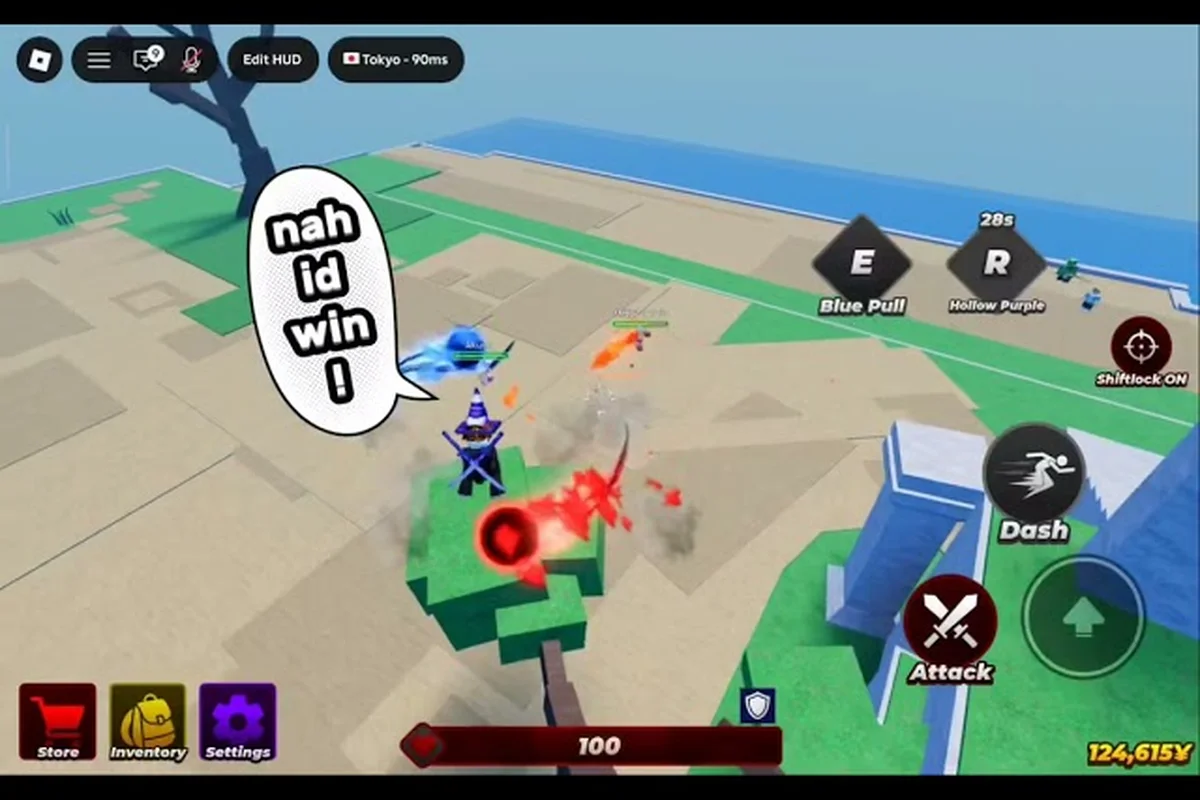
Anime Ability Arena Gojo vs Sukuna: Who Wins in 1v1?
Break down Anime Ability Arena Gojo vs Sukuna with damage tests, range notes, and combo routes so you know which reworked kit actually wins the 1v1 fight.

Anime Ability Arena How to Counter Zoro: Tested Counters
Learn Anime Ability Arena how to counter Zoro with the best ability picks, dodge windows, and punish routes that shut down his three-sword pressure.
Anime Ability Arena Is Gojo Better Than Sukuna After Patch
Decide if Anime Ability Arena is Gojo better than Sukuna after the rework, with kit scaling, combo data, and matchup notes from current ranked play.
All Articles
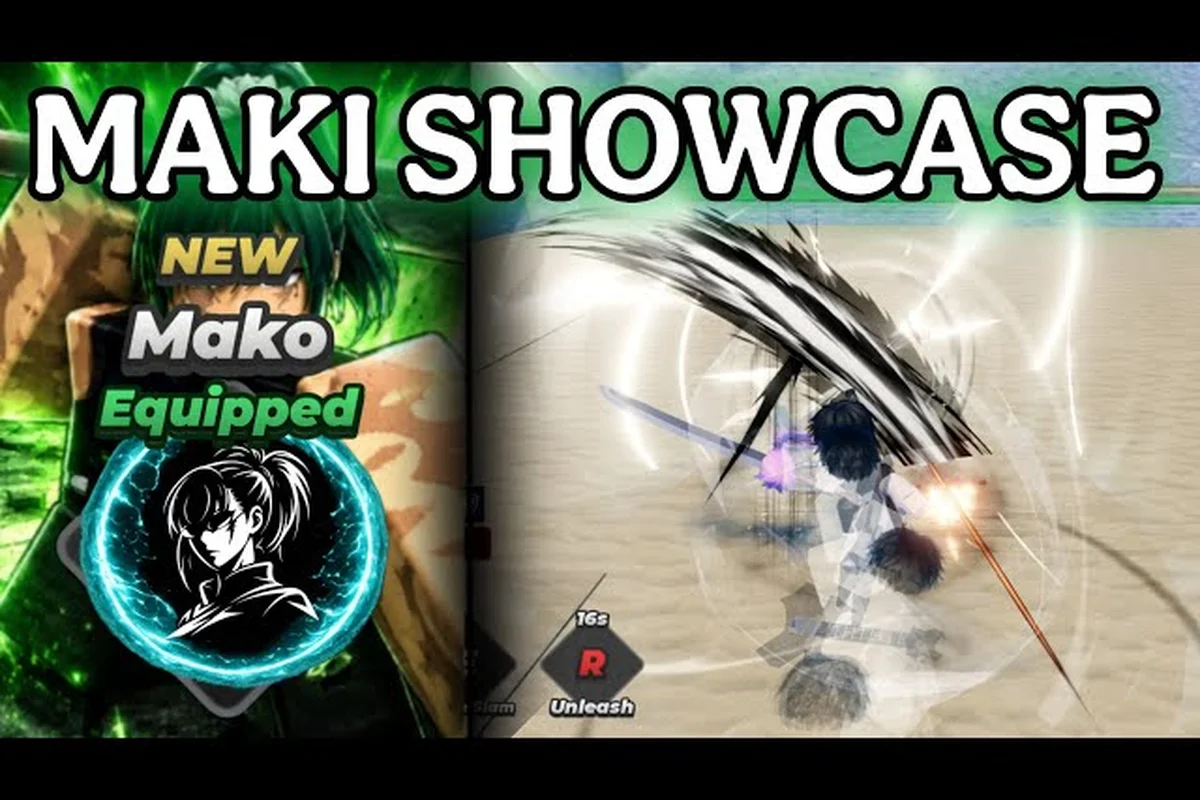
Anime Ability Arena Maki vs Ultra Instinct: Full Breakdown
Compare Anime Ability Arena Maki vs Ultra Instinct with damage numbers, cooldown gaps, and the matchup tricks each side needs to clinch the duel.
Anime Ability Arena Sukuna vs Maki: Damage & Matchup
See who wins Anime Ability Arena Sukuna vs Maki in a 1v1, with range gaps, cancel windows, and the safest counters for each kit in ranked lobbies.
Anime Ability Arena Hardest Matchups: Counter Picks Inside
Survive the Anime Ability Arena hardest matchups with tested counter picks for Gojo, Sukuna, Zoro, Kaido, and Ultra Instinct in solo queue lobbies.